
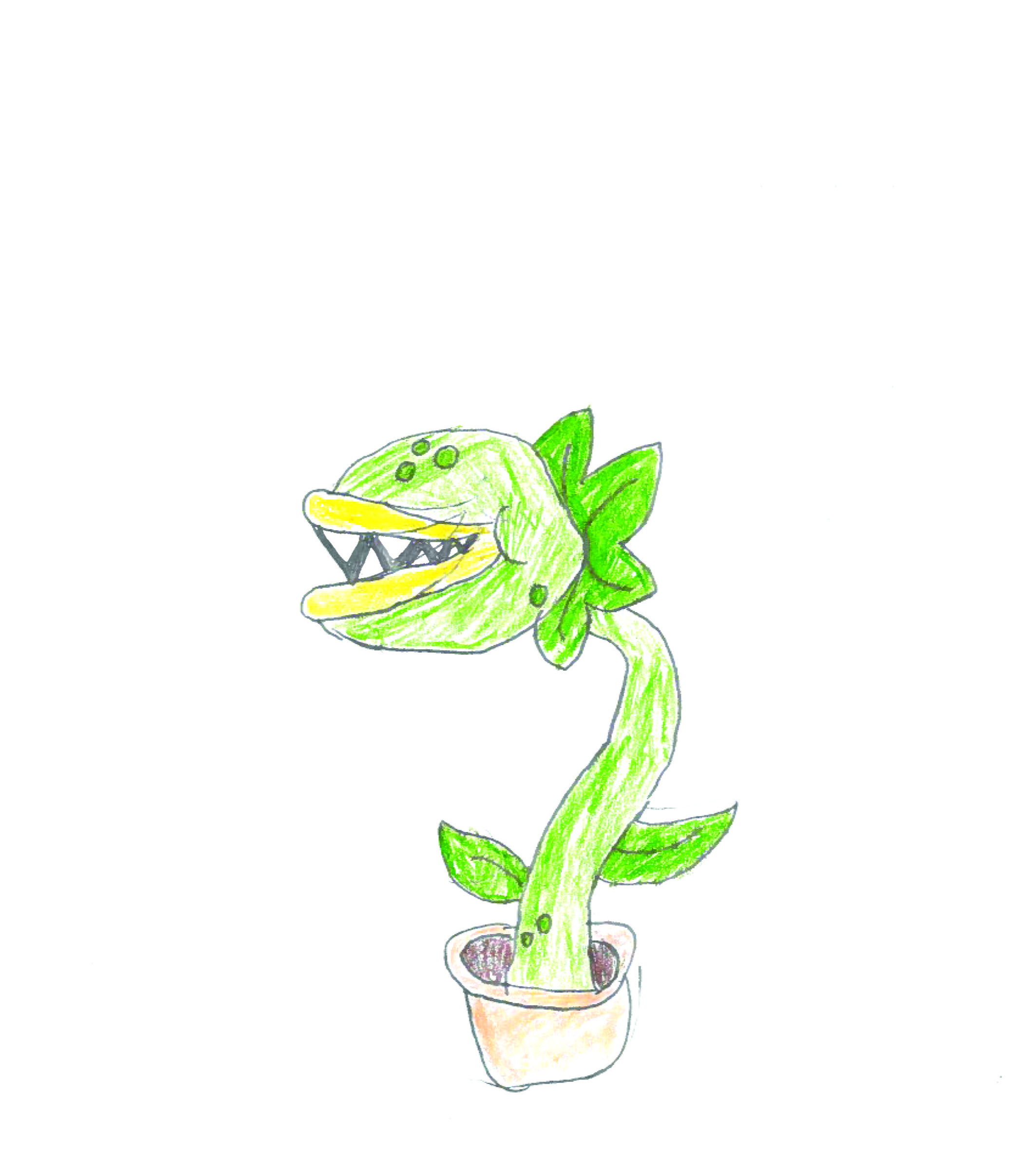
Dionaea muscipula
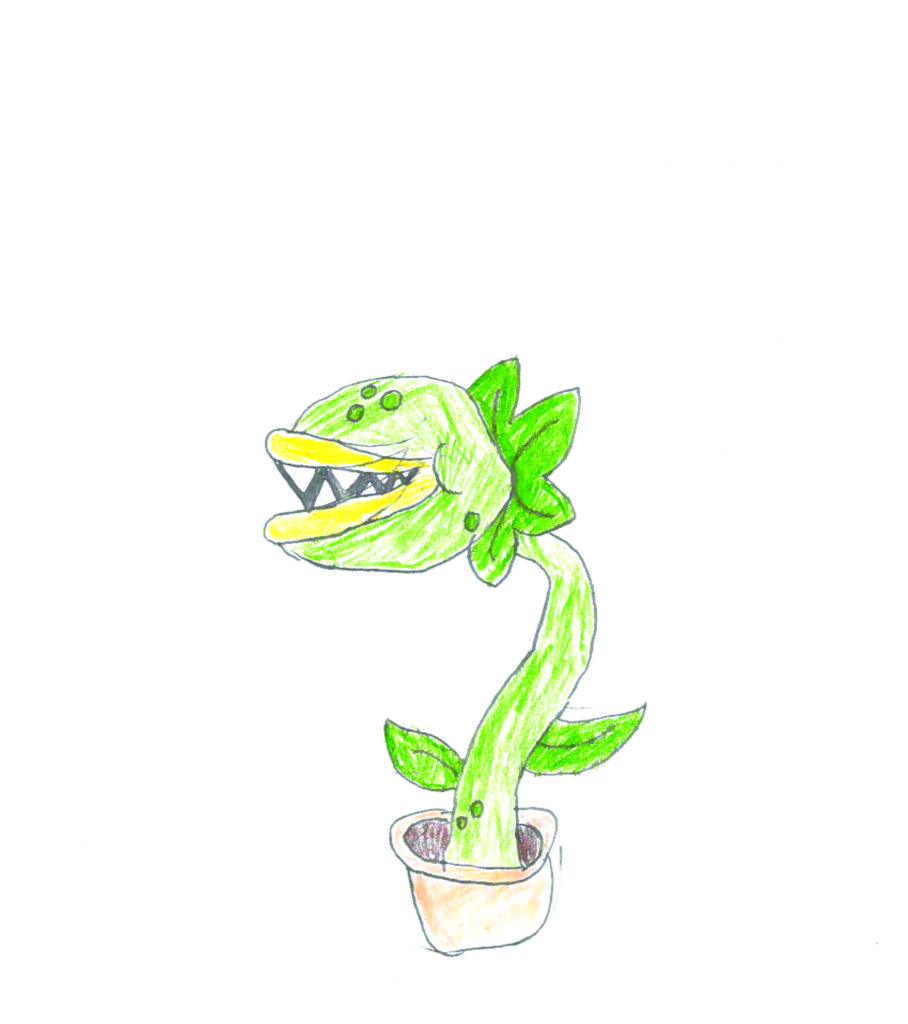
Biological Overview
Habitat
Boggy, nutrient-poor savannas and boggy, barren pines
Diet
Ants, beetles, grasshoppers, flies, ladybugs, and spiders
Role in Ecosystem
Carnivorous plants that adapt to nutrient-empty environments and prevent overpopulation by bugs.
Behavior
Uses rapid snap-traps from prey touching the sensitive hair and closing in less than a second.
Human Impact
Venus fly traps are currently classified as a chance to become endangered. They are threatened by three main human causes. These are overcollection, habitat destruction, and fire suppression. Recently, there have been more reports of the species being possibly endangered. Because of this, scientists are now investigating their populations in case they are slowly becoming extinct.
Creative Exploration
A bee is flying by, delivering pollen from flower to flower, and before it returns to the nest, it decides to stop by one last, strange-looking flower. It perches down, when-SNAP! The fast, ferocious, and hungry venus fly trap snatches the bee in its mouth. Quickly, the bee tries to climb the digestive system. But it’s too slippery, and before he can flap his wings, he’s already drained of all energy, and the trap takes another life. Without any nutrients in the bog’s soil, the plant must find other food to perform photosynthesis, a vital cycle to its survival. In the distance, another bug is trying to fly. Very ungainly, it has to land on every platform it can. The trap readies itself, but the fly makes it right over! The venus fly trap cannot stand for this, as it jumps up, it’s stem uncoiling, and grabs the fly from the air. Full once again, the venus fly trap lies down to sleep, relaxed and conqueror of the bugs!
Gaspar I., Harrison Tenney, Tyler Sellers
Book 6


Leave a Reply