
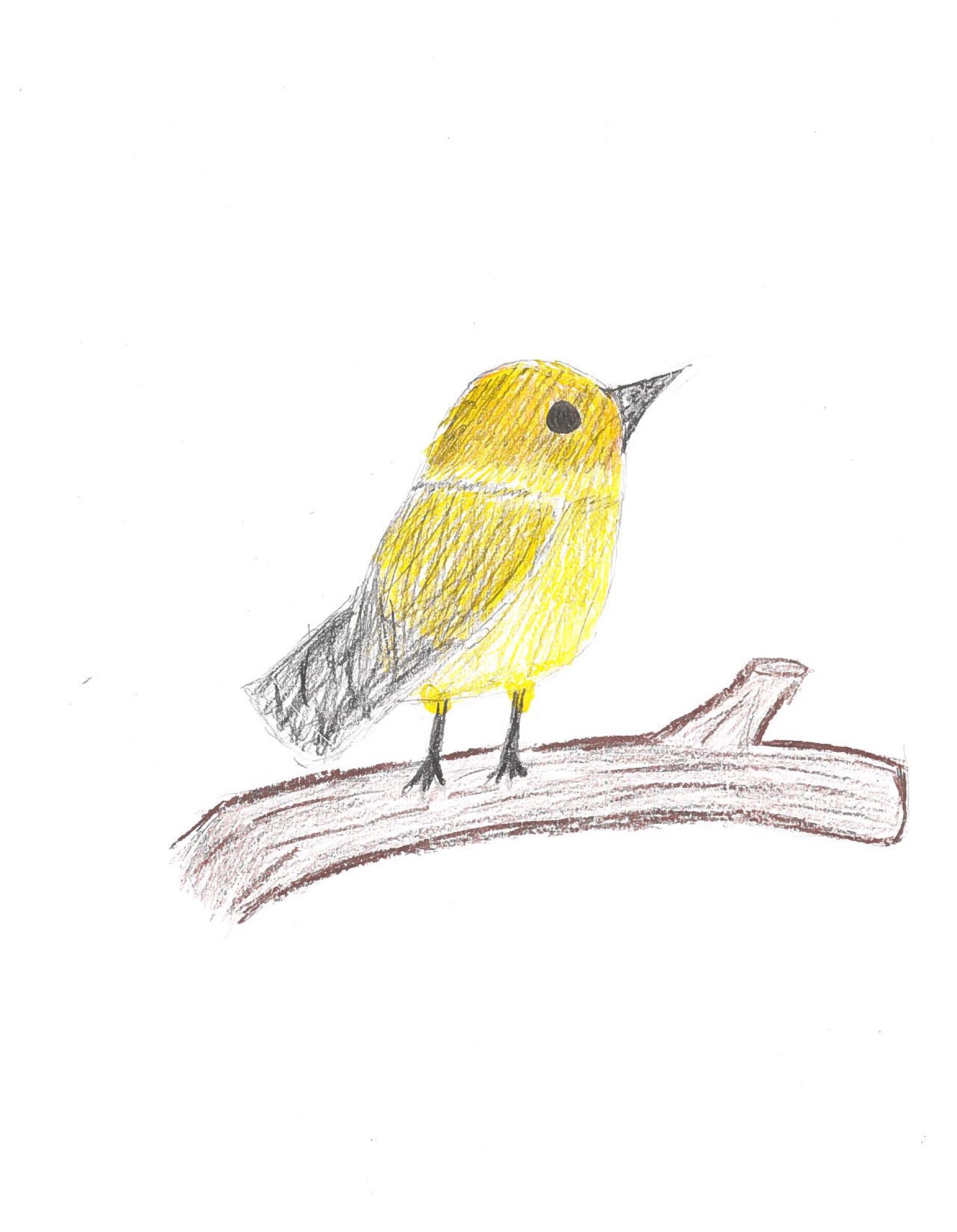
Protonotaria Citrea
Biological Overview
Habitat
Their habitat is wooded swamps, coasts, and shorelines (freshwater).
Diet
The bird feeds on adult insects including ants, spiders, and beetles.
Role in Ecosystem
Keeps control of insect population.
Behavior
Likes to flitter, hover, and fly directly.
Human Impact
Humans have a negative impact on prothonotary warblers, mostly due to habitat destruction. The drainage of swamps and deforestation for land development is reducing the area for prothonotary warblers to nest. This is causing high predation by species like racoons, snakes, climbing rodents, and more. It also causes competition with organisms like house wrens, eastern bluebirds, flying squirrels and more. Due to all the predation and competition its causing high stress on their population.
Creative Exploration
Its currently mating season and I wake up to a sweet song sung by the males high up in the trees. Most of my day is spent making a nest in leaves, bird boxes, moss, trees, twigs, and bark. After laying my 3-7 eggs, I usually rest and chase off any predators that come near. During mating season males hunt for two. I stay and protect the nest and the young as the male goes and collects a beakful of food. During the hot days, I’m usually active and fly around near the swamp, and every now and then, I’ll take a bath to feel refreshed.
Ella Sessions, Marleigh Simmons
Book 2


Leave a Reply