
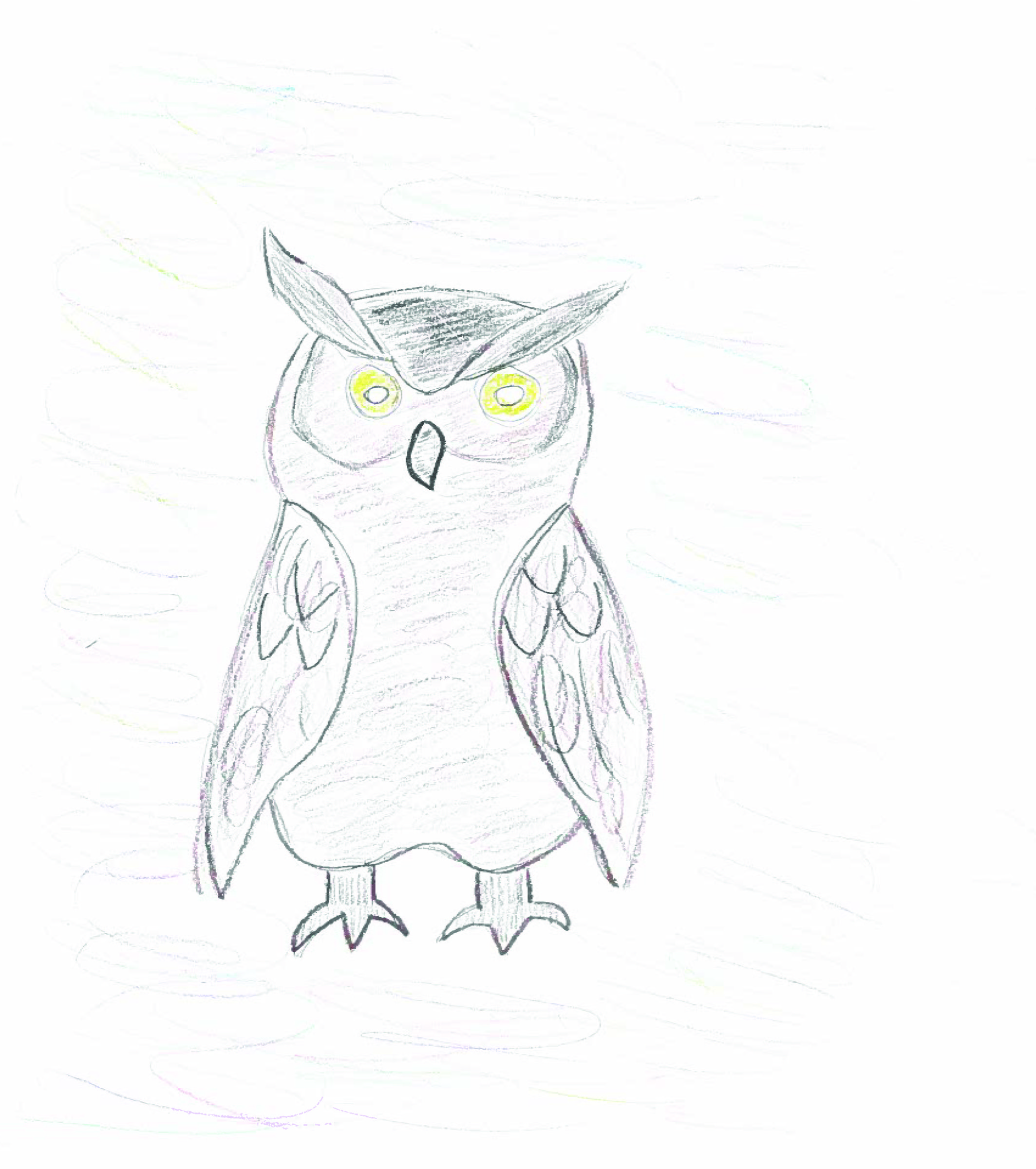
Bubo virginianus
Biological Overview
Habitat
Forests, deserts, wetlands, suburban areas, and cities.
Diet
Predator – eats mammals and rodents on the ground, consumes birds, including raptors and smaller owls, alongside reptiles, fish, and insects.
Role in Ecosystem
In this ecosystem, the owl lives in moderate climate. When temperature increases its a threat towards Great Horned Owls life.
Behavior
The Great Horned Owl hunts mostly at night, when hunting, the animal watches from a high perch, then swoops down to capture prey in its talons. In the north during the winter, this owl may store uneaten prey just to come back later and throw out frozen carcass by “incubating” it.
Human Impact
They help keep the mice population in line so they don’t overpopulate. Also humans use rodent harming materials on the plants the rodents can eat the plants and get harmed so then the owls eat the mice and die so the owls population dies out. This creates a dangerous cycle where the natural predators disappear, allowing the rodent population to explode even further. Without owls to act as a natural pest control, humans often rely more heavily on chemicals, which only worsens the toxic impact on the environment. Protecting these birds of prey is essential for maintaining a healthy, balanced food chain.
Creative Exploration
The tall bold grass
The rodents all circling
I take flight
I swoop down.
I harshly snatch
The prey.
My big yellow eyes
Weigh me down daily.
My eyes
The Sun
What’s the difference.
Nothing.
Amelia Journe, Camila Espinoza, Cora Carpenter
Book 8


Leave a Reply