
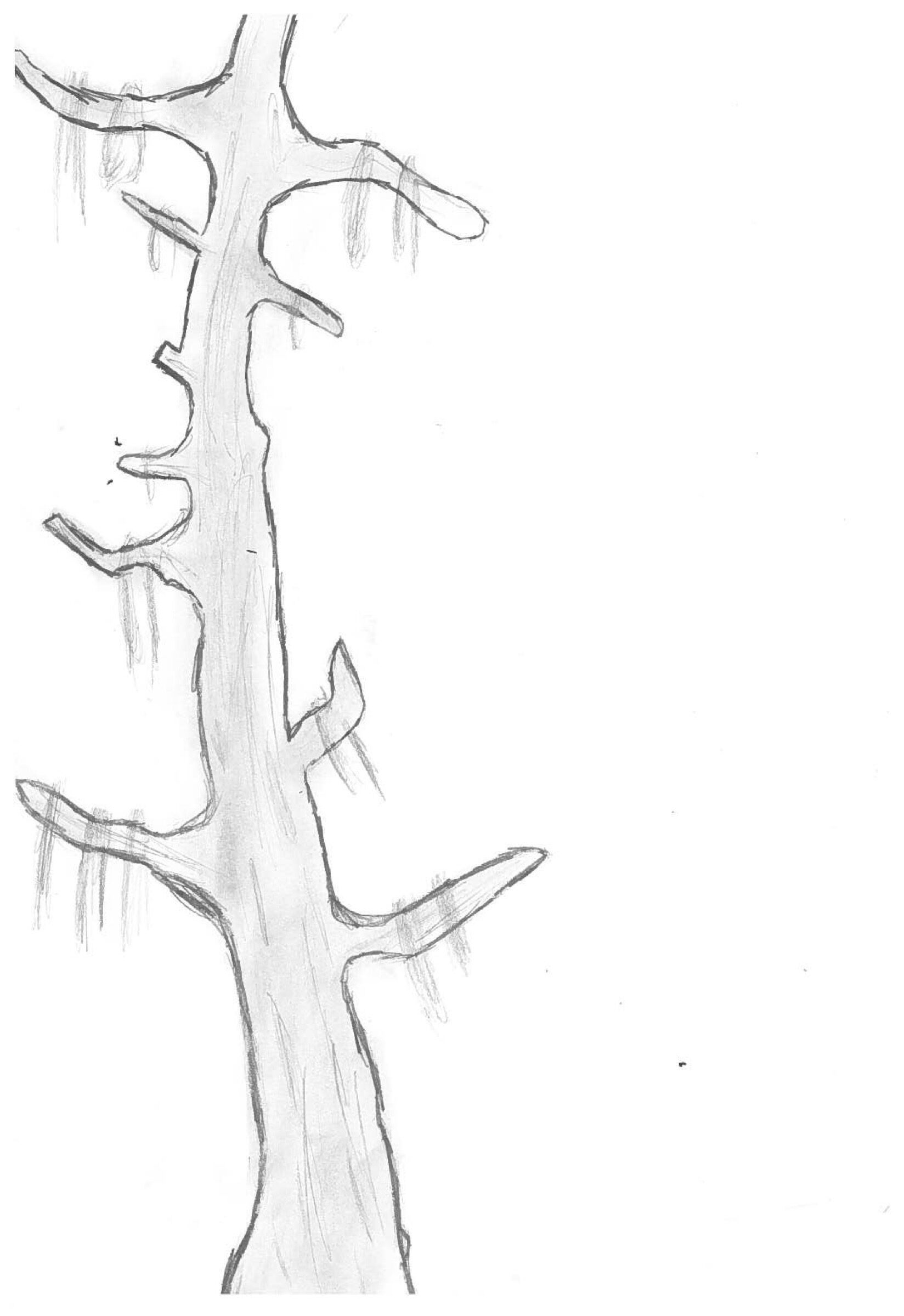
Taxodium Distichum
Biological Overview
Habitat
Bald cypress thrive in wetlands, swamps, and floodplains.
Diet
They are an “anchor” species that prevent soil erosion and provide nesting sites.
Role in Ecosystem
Their thick canopies and roof systems serve as nurseries for amphibians.
Behavior
It grows woody “knees” from its roots providing stability and circulates oxygen.
Human Impact
In history, people heavily logged these trees because their heartwood is very rot-resistant, so they can use it for everything from roof materials to caskets. Today, human development and water diversion projects often drain the swamps that these trees depend on which can kill entire groves. However, conservation efforts now protect many old growth stands. This relationship matters because if we lose the bald cypress, the swamp loses its so called “skeleton”, leading to faster land loss and fewer natural buffers against hurricanes.
Creative Exploration
Ever wonder what life is like for a bald cypress? My day begins with a choir of bald eagles, ospreys, herons, and warblers singing me awake from my branches. As the bright sun rises, I soak up the energy I need to grow and eventually drop my seeds each fall, peacefully waiting for them to sprout in the swamp below. Throughout the day, I move with the fresh breeze while all sorts of creatures find refuge in my bark or return to their cozy nests. When the golden sun is replaced by the silver moon, the swamp settles into a quiet rest. While the world sleeps, I enter cellular respiration, strengthening my roots against the water at my knees. I sway in the cool moonlight until the sun returns, starting this beautiful cycle all over again.
Kamryn Ordway, Scarlett Decker, Lily Lynch
Book 2


Leave a Reply