
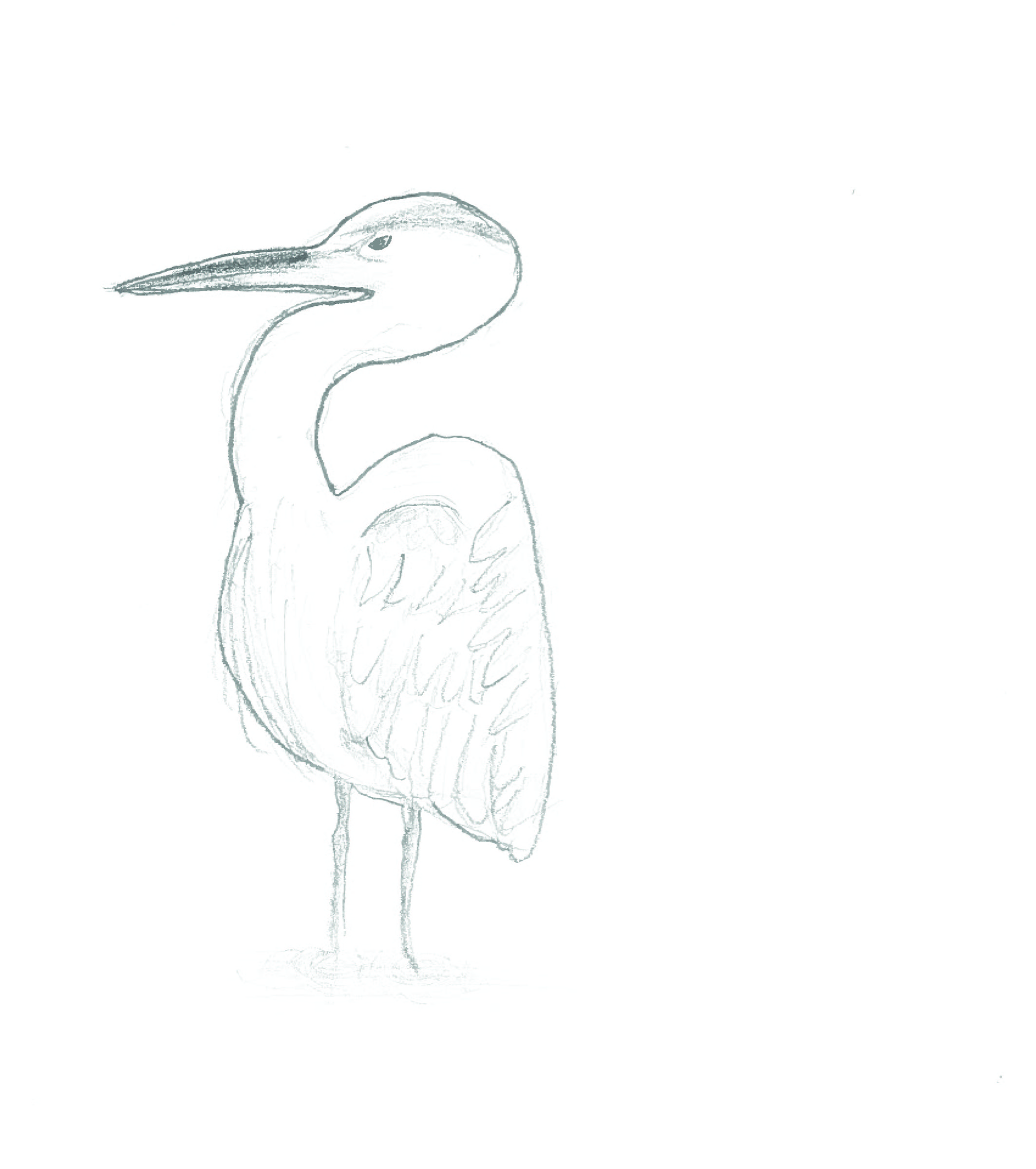
Ardea herodias
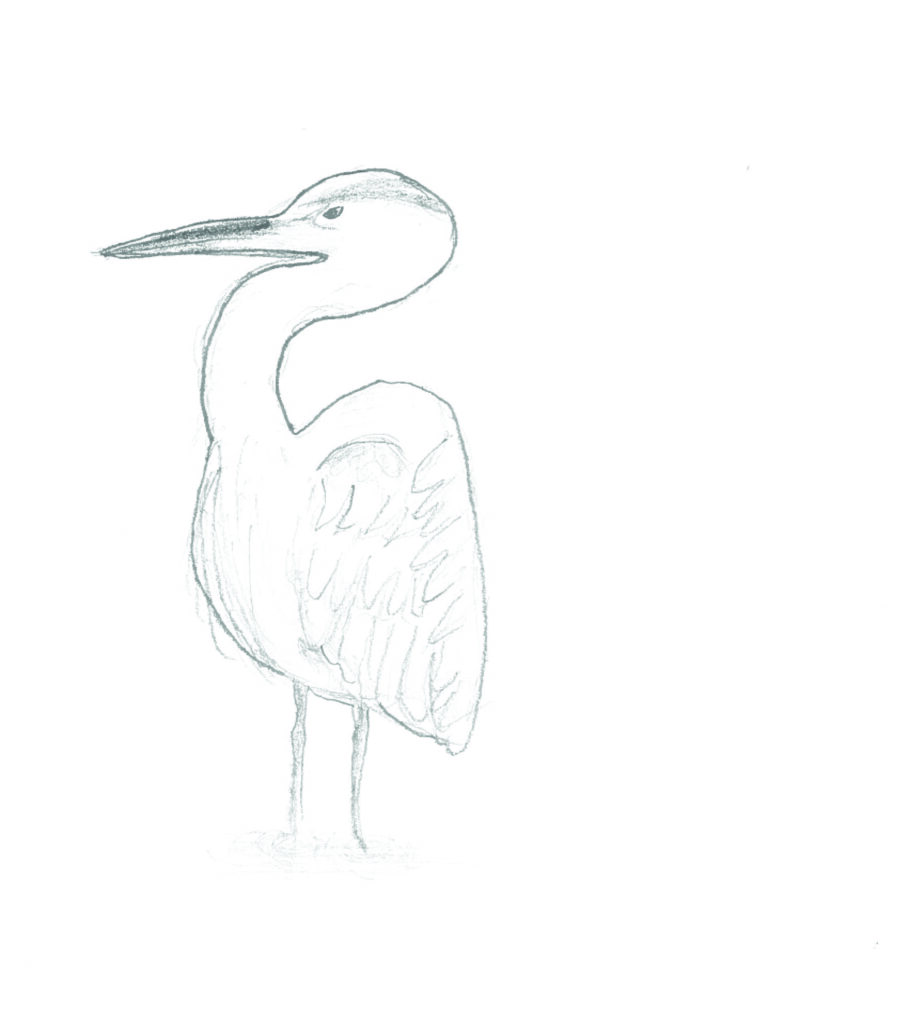
Biological Overview
Habitat
They typically live by freshwater lakes, marshes, coastal swamps, and saltwater shorelines.
Diet
Great blue herons mainly eat fish for their diet, but they also eat frogs, turtles, snakes, other birds, and just about anything that can fit in their beak.
Role in Ecosystem
Great blue herons in their habitat is a good sign that the ecosystem is healthy and abundant.
Behavior
Great blue herons are aggressive. They move slowly and are lightning fast, using their beak as a spear.
Human Impact
Humans impact great blue herons in several ways. While these birds are currently doing well, habitat loss is their biggest threat. When we drain wetlands for buildings, herons lose their homes and food. They are also very shy; if people get too close to their nesting areas, the parents might get scared and abandon their eggs. Pollution is another problem, as chemicals in the water can make them sick. However, laws now protect them from being hunted, helping their numbers stay strong. We can help by keeping our distance and protecting the wetlands they love.
Creative Exploration
As I stand tall and fierce in my small pond, hunting for some fish,
As I spot and catch one, my movements are fast and swift,
The night is near, but I won’t rest, I still haven’t caught my best.
Mia Nye, Isabella Shull, Blake Horton
Book 7


Leave a Reply