
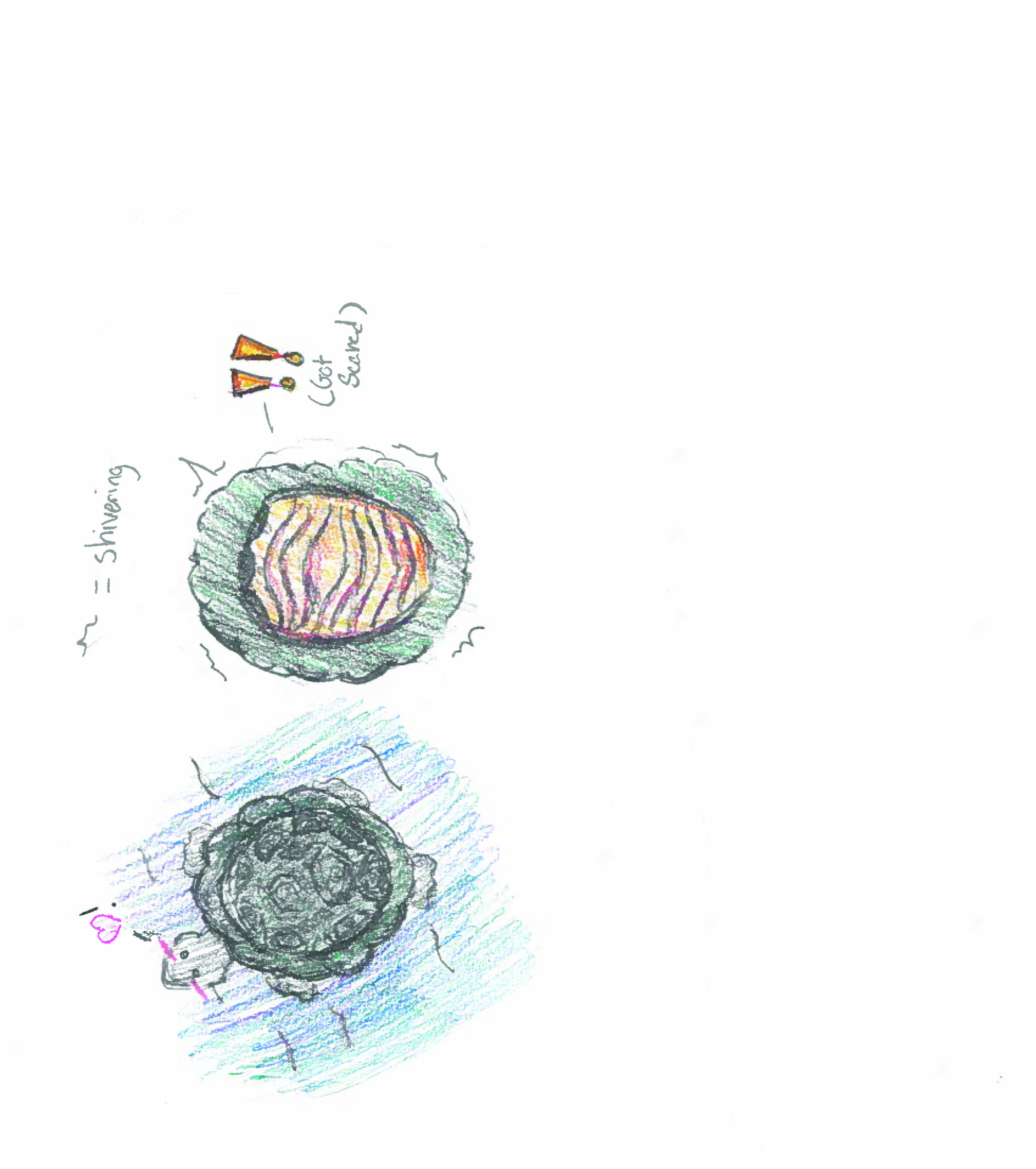
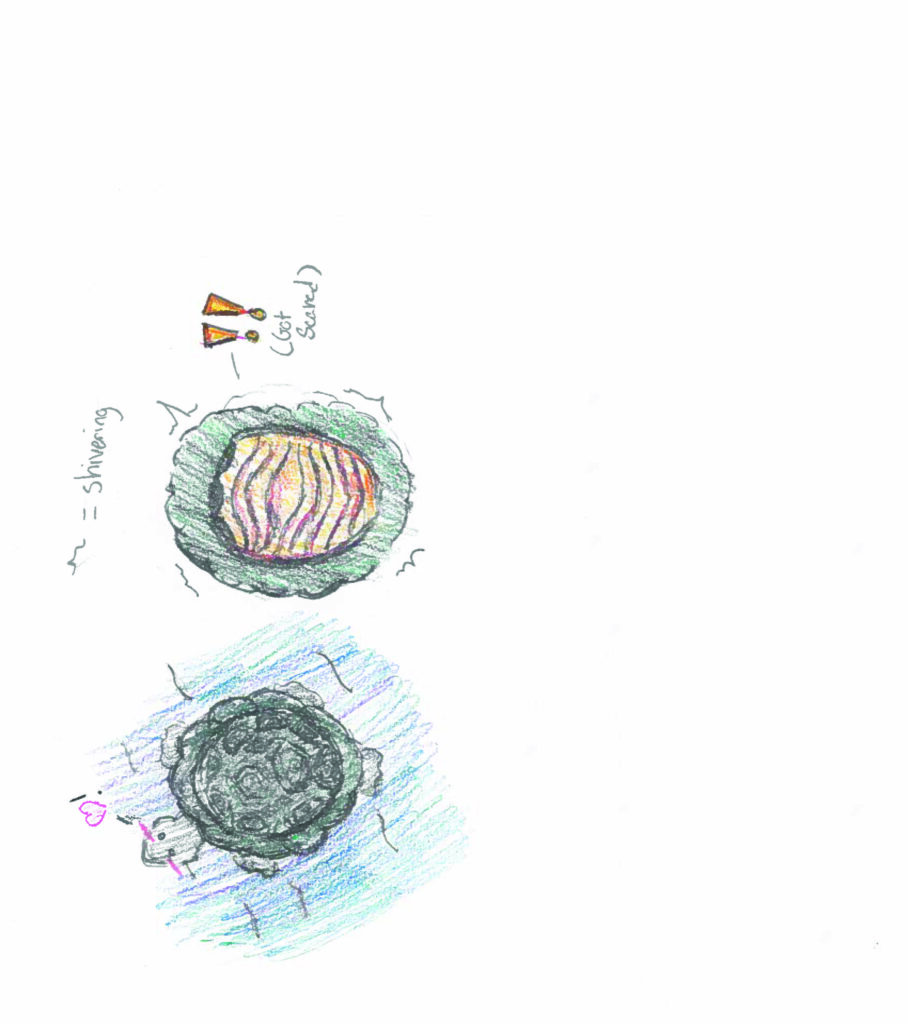
Malaclemys terrapin
Biological Overview
Habitat
They usually live in brackish water, in the coastal plain region of South Carolina due to habitat and soil types
Diet
Crustaceans, mollusks, and other invertebrate fauna in the coastal habitats
Role in Ecosystem
They are vital keystone predators in brackish estuarine ecosystems
Behavior
Their basking/burrowing habits change within the seasons, as water temperature affects how often the diamondbacks are seen at the surface
Human Impact
Humankind harvests them for food, and the use of their shells in jewelry nearly brought the species to extinction. Despite some protective regulations, diamondback terrapin populations remain at historically low levels. Diamondback terrapins are actually known to nest in places near residential areas such as underneath the Azalea bushes, sheds, or in other areas that are heavily populated by humankind. Due to this, terrapin life history is mostly ignored due to the management emphasis on minimizing the impacts of the manmade activities on terrapin survival.
Creative Exploration
As I wake from my slumber, I slink into the water. Slowly submerging myself into the murky creek, I wait for a moment. I rise slowly, my spotted head bobbing up and down with the current of the flowing stream. I glance around for something to ease my hunger. As the sun rose, I submerged myself once more, scanning the rocks, stones, and pebbles for anything. Using my short, spotted legs, I flip and dig at the muddy floor. Seeing something scurry, I push off with my back legs, getting a burst of energy, catching the crustacean in a quick swoop. Finishing it off, I eat it in small, delicate bites that fit my small mouth. As the day passed, I ate some more, and as the sun began to set, I went to bed. Waiting for another night to end, and a new day to begin . . .
Serenity Havenar, Leyla I., Riley Welsh
Book 6


Leave a Reply