
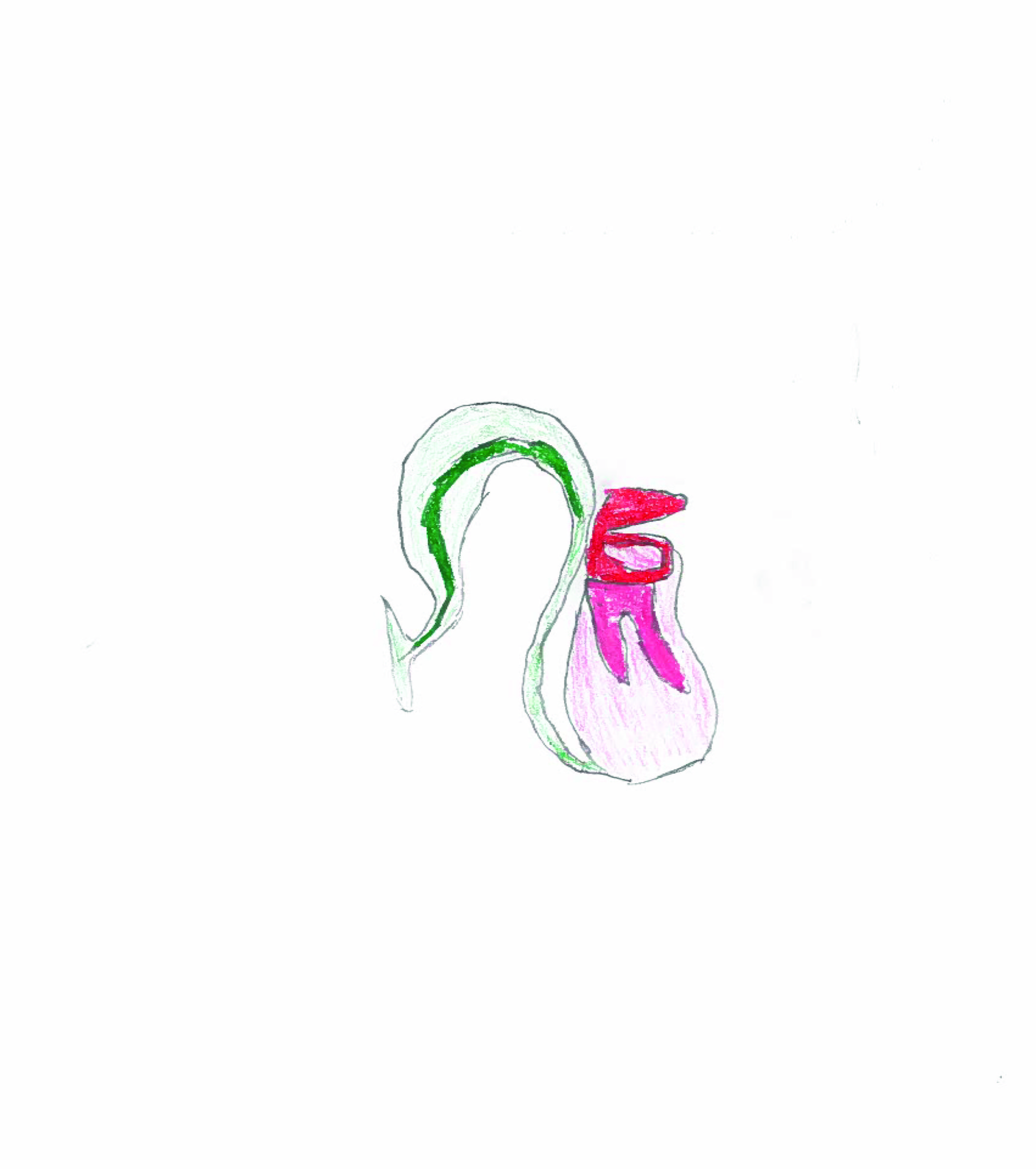
Sarracenia purpurea
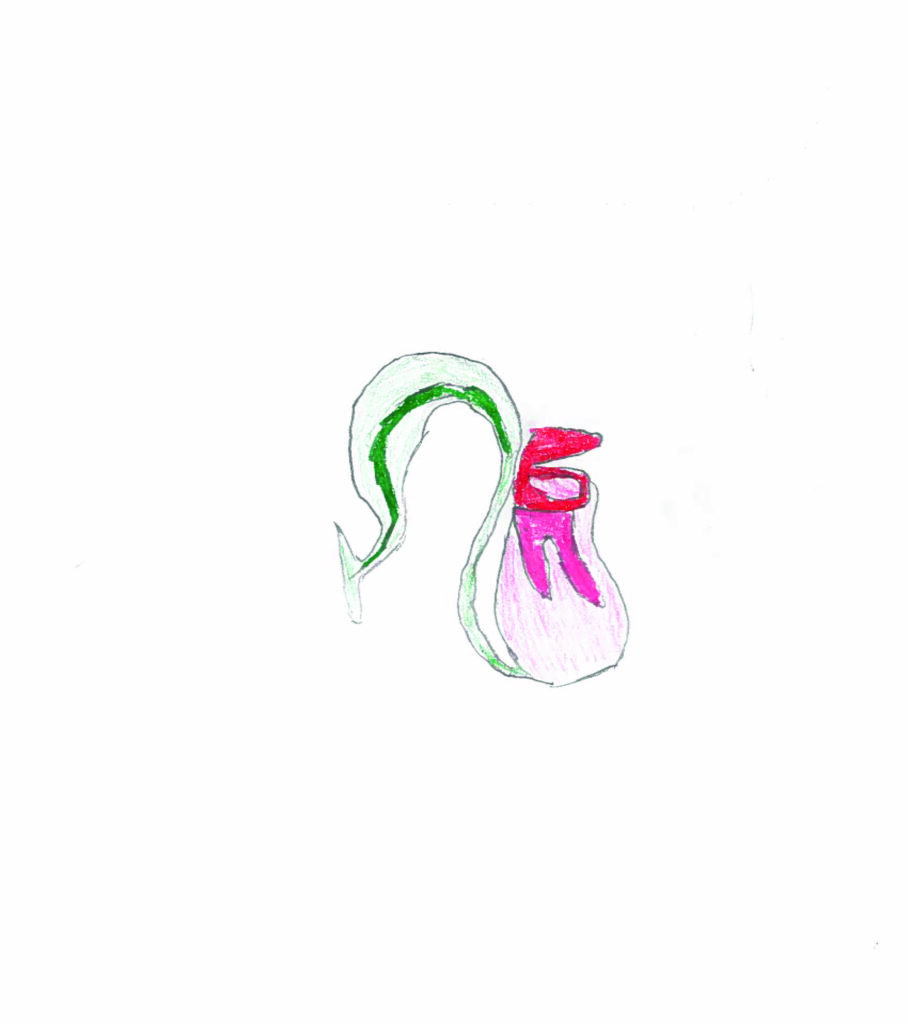
Biological Overview
Habitat
Bogs, meadows, hillside seeps, stream banks, and roadside ditches.
Diet
Insects, usually ones that can fly/land on it.
Role in Ecosystem
Pitcher plants secrete nectar on their lip, which ties the insect to land. This part helps get rid of overpopulated and dangerous insects without hurting anyone or anything.
Behavior
The pitcher plant releases nectar on its lip and this tempts bugs to land onto it. The bugs slip into the “stomach”. The “stomach” has digestive enzymes that will digest all parts of a bug except bones.
Human Impact
People affect pitcher plants because, since pitcher plants are small and blend in with other plants, such as flowers, people tend to step on them. This, obviously, causes the pitcher plant to die.
Creative Exploration
The Life of a Pitcher Plant
I am green, but I am ranging in colors on my lip. I work in an interesting way, but similar to you humans. A bug is drawn by my nectar and lands on my lip. As it slips down, it falls into my yummy enzymes, and I get all the nutrients.
Today. Today is different. Kids from a local school came into my habitat, my ecosystem, my home. They…were…GIANT compared to me. Step after step, I watched as my friends, family, and fellow plants got…SMOOSHED!!! Boom after boom, my stem trembled. The kids got closer and closer.
Luckily, my uncle, Ryan, who is a snake, scared off the kids, saving not only me, but other plants. As we watched in awe, the huge, intimidating humans trembled away in fear.
Safe at last, my fear was going down, matching the sun. When night strikes, the bugs come out, which means my dinner is late. Doesn’t matter to me, I’m not as GREEDY as those other kids.
Harrison Marks, TJ Puka, CJ Greenroad
Book 6


Leave a Reply