
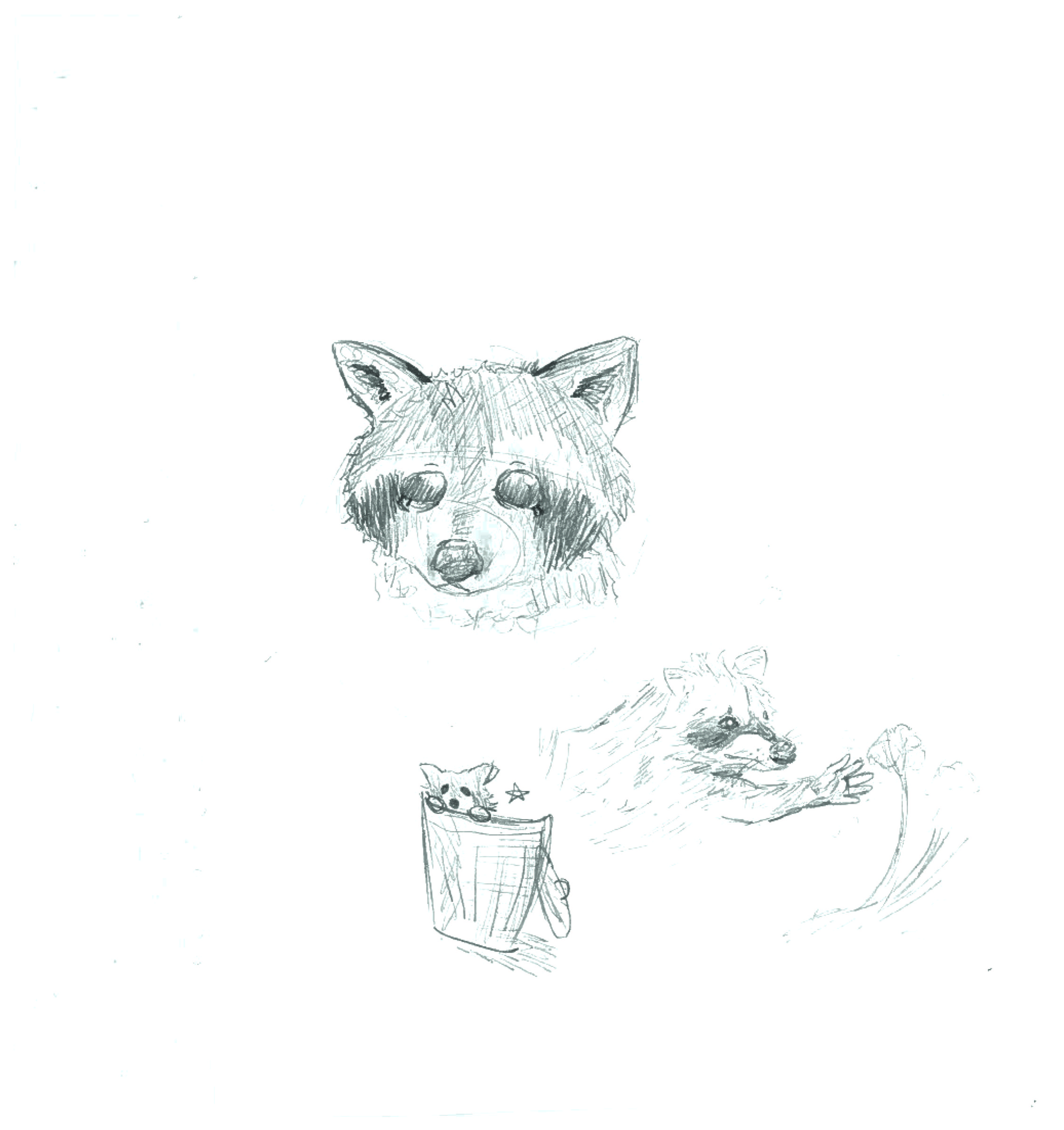
Procyon Lotor
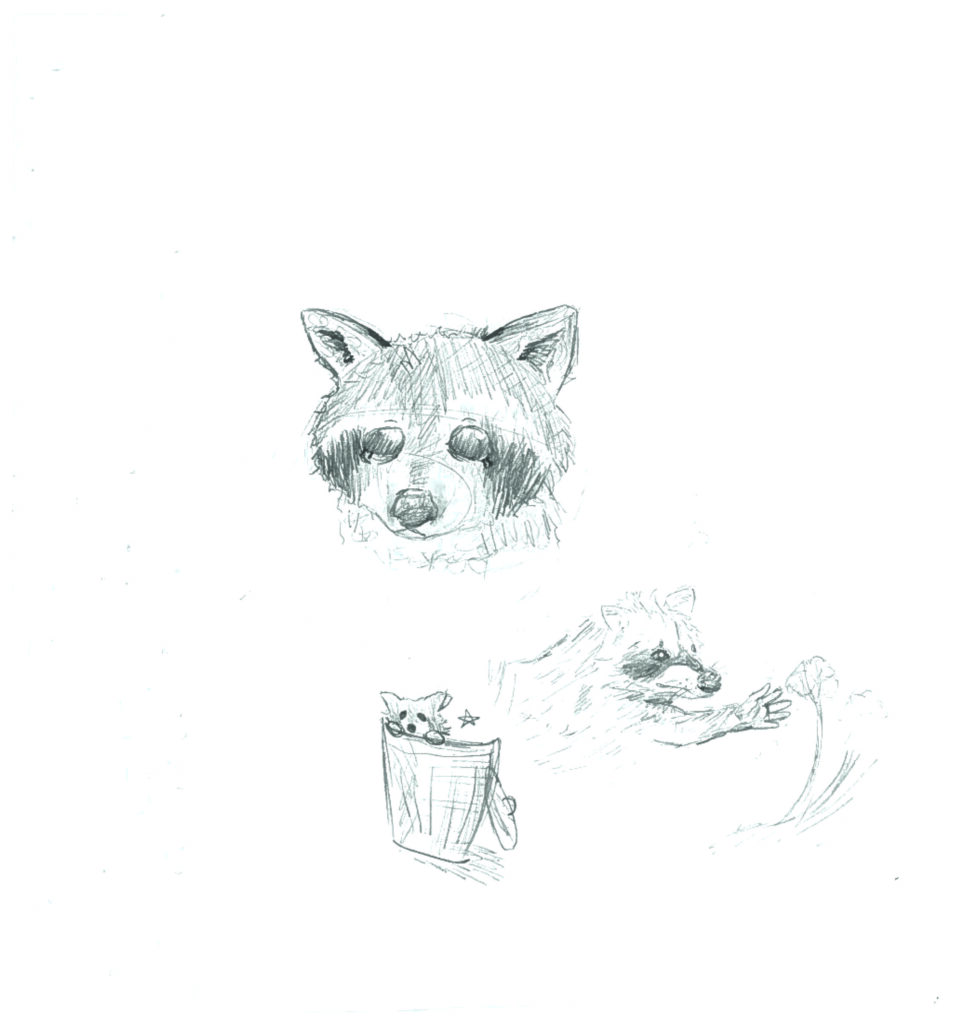
Biological Overview
Habitat
Lives in wetlands, urban areas, woodlands, and particularly near water sources.
Diet
Eats fruits, nuts, berries, small insects, snails, worms, frogs, fish, and turtles.
Role in Ecosystem
Helps in population control, seed dispersal, and cleanup.
Behavior
Raccoons are very intelligent omnivores. They’re known for their great problem solving skills and unique physical adaptations. They have successfully transitioned from forest dwellers to thriving urban inhabitants.
Human Impact
Human impacts on raccoons include diseases, health changes, and habitat alteration; all happen through human urbanization. Humans significantly impact raccoons by changing their behavior, diet, and physical traits, mostly through urbanization, access to trash, and other unhealthy foods leads to higher obesity, and dental issues, often causing them to lose their fear of humans. Urbanization and traffic are major causes of death, while research suggests raccoons that live in cities are evolving shorter snouts and showing signs of domestication-like behavior.
Creative Exploration
A day in the life of a raccoon:
I wake up nestled in leaves and sticks. I slowly get out of my den and search for bugs to eat. I find a small beetle and quickly snatch it before it gets away. The sun’s rays shine down on me as I munch on food. After that, I go to the river near my den and sip on some water, but it is a bit dirty, so it tastes yucky. Then, I go to the dumpster in the neighborhood and search for lunch– I find an unopened orange. People stare at me as I run across the sidewalk, but I do not mind. There are many things happening around me, like birds surrounding a piece of bread on the ground, the sun setting, and the stars starting to peek out of the sky, and the trees swaying in the wind. Finally, I get into bed and start to fall asleep. The sounds of the forest help me rest.
Layla Gray Woollums, Lilly Erdman, Marilyn Flores
Book 5


Leave a Reply